When injuries, surgeries, or chronic pain interfere with movement, daily life can become frustrating and limiting. For many individuals in Rolling Meadows, physical therapy offers a structured, effective, and science-backed path to regaining mobility, strength, and independence. More than just a recovery process, physical therapy helps people return to doing what they love, whether that’s walking comfortably, playing with their kids, exercising, or going back to work.
Understanding What Physical Therapy Really Does
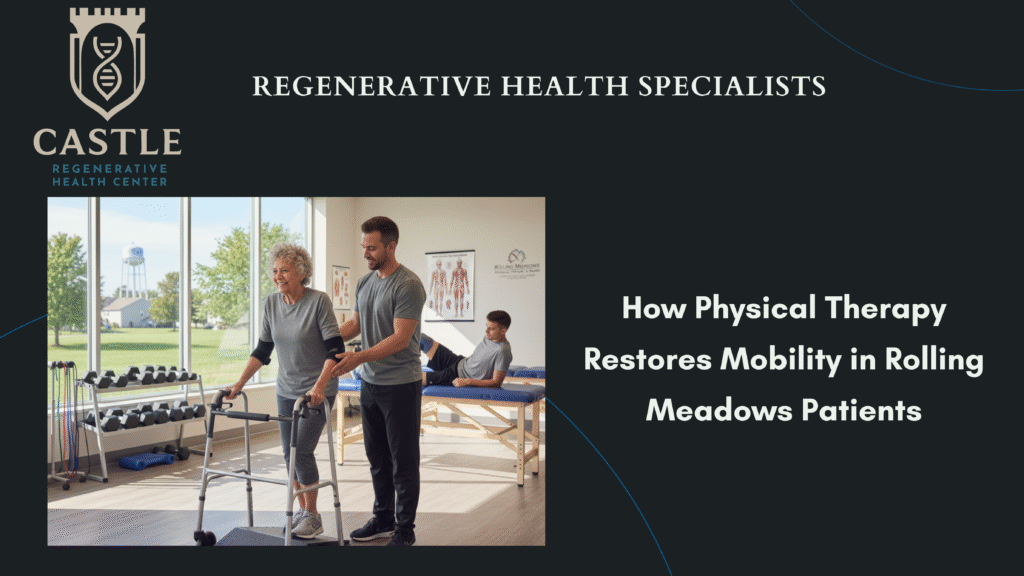
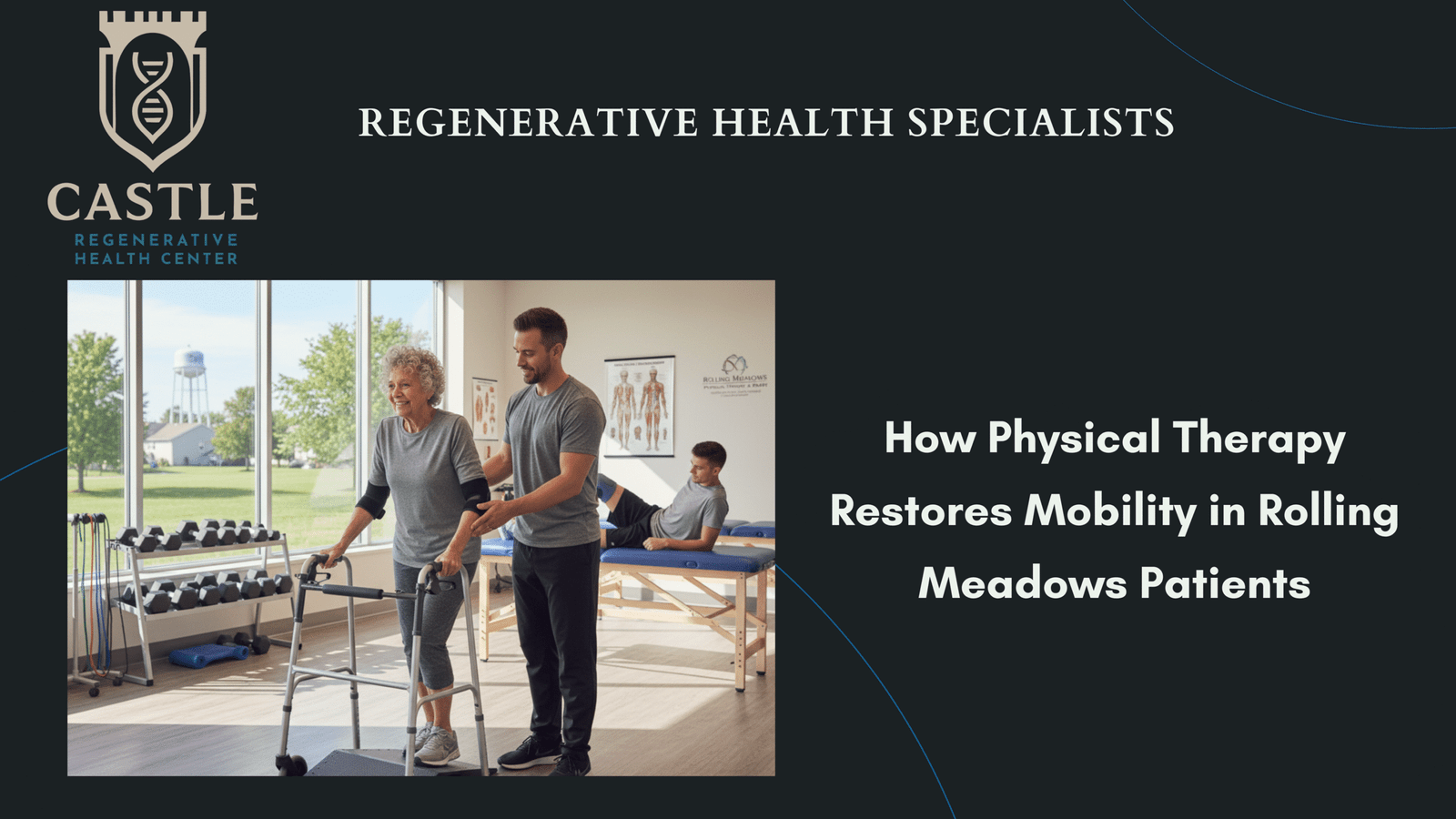
Physical therapy is a specialized healthcare field focused on improving movement and physical function while reducing pain. It targets the root causes of mobility loss, such as muscle weakness, joint stiffness, neurological conditions, or post-surgical recovery. In Rolling Meadows, licensed physical therapists work with patients one-on-one to create personalized treatment plans tailored to their unique goals.
Unlike painkillers or quick fixes, physical therapy focuses on long-term solutions. Through targeted exercises, manual therapy, and education, patients learn how to move better and prevent future problems. The ultimate goal is to help individuals return to their normal routines without relying on constant medical intervention.
Why Mobility Matters So Much
Mobility is more than just movement; it’s freedom. It affects everything from how easily you can get out of bed to how confidently you can walk through your neighborhood. When mobility is restricted, it impacts physical health, emotional well-being, and overall quality of life.
Some of the most common issues that limit mobility include:
- Injuries such as sprains, fractures, or ligament tears.
- Surgical procedures like knee or hip replacement.
- Chronic pain conditions, including arthritis or sciatica.
- Neurological disorders like stroke or Parkinson’s disease.
- Age-related decline in flexibility, balance, and strength.
Physical therapy addresses these issues holistically, helping patients move with less pain and more confidence.
Common Reasons Rolling Meadows Residents Seek Physical Therapy
1. Post-Surgical Recovery
After orthopedic surgeries such as joint replacement, ACL repair, or spinal procedures, therapy is often prescribed as part of the rehabilitation process. The right exercises can prevent stiffness, restore strength, and ensure proper healing.
2. Sports and Work Injuries
Athletes, construction workers, and office employees alike can experience injuries that limit movement. A therapist helps patients safely recover while reducing the risk of re-injury.
3. Chronic Pain Management
Conditions like lower back pain, arthritis, or tendonitis don’t just cause discomfort, they restrict daily function. Physical therapy focuses on strengthening muscles and improving joint mobility to ease pain naturally.
4. Age-Related Mobility Loss
As we age, balance, flexibility, and strength often decline. Therapy programs for seniors focus on maintaining independence, improving stability, and preventing falls.
5. Neurological Rehabilitation
Patients recovering from strokes or managing neurological conditions can greatly benefit from specialized movement and coordination exercises.
Key Physical Therapy Techniques That Restore Mobility

Physical therapists use a combination of techniques to help patients reach their goals:
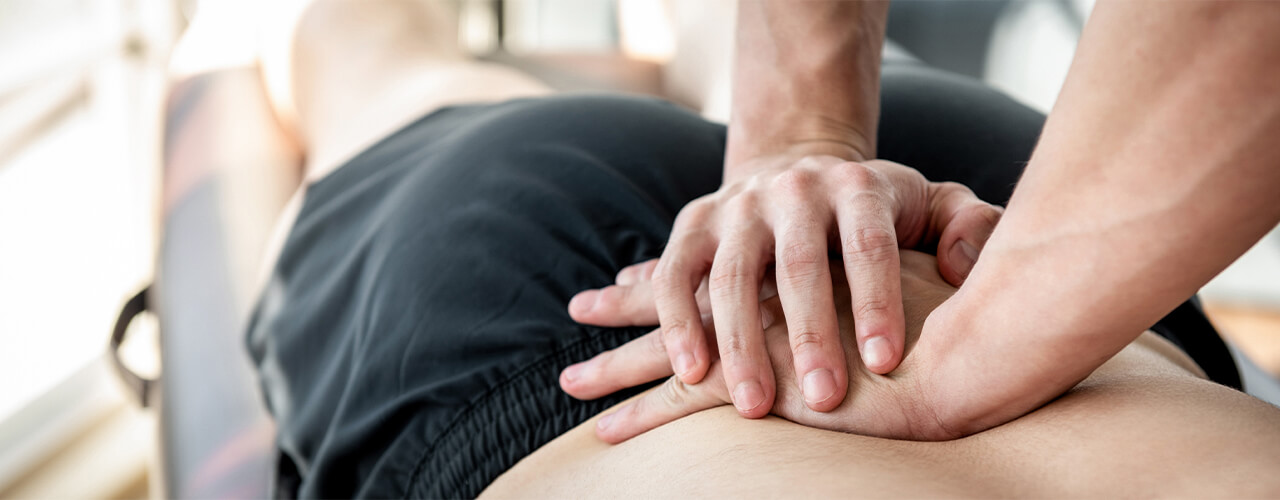
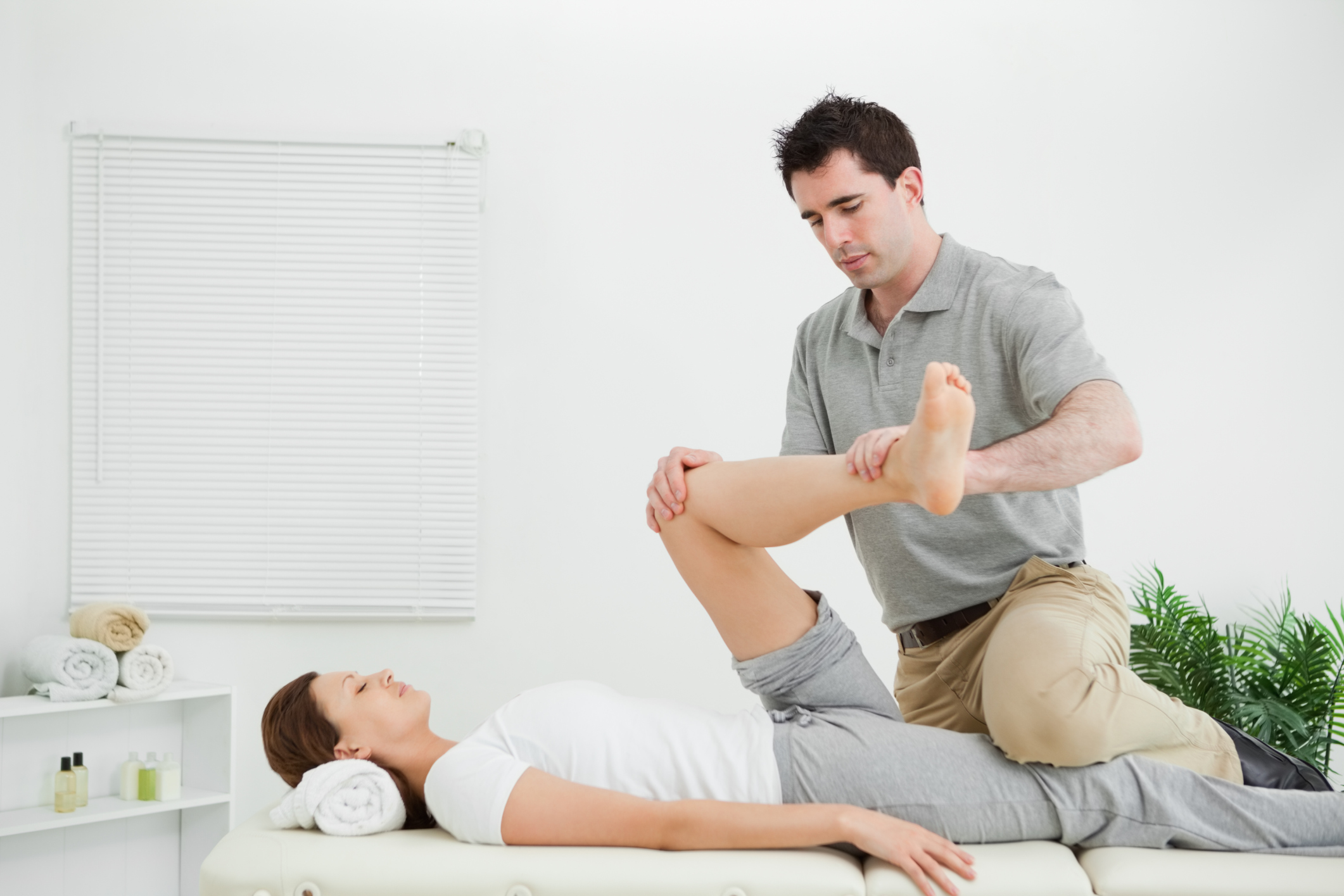
- Manual Therapy – Hands-on techniques like joint mobilization, massage, and stretching help relieve stiffness, reduce pain, and restore range of motion.
- Therapeutic Exercises – Targeted exercises rebuild strength, improve balance, and train muscles to support natural movement. Programs are customized and progressively intensified.
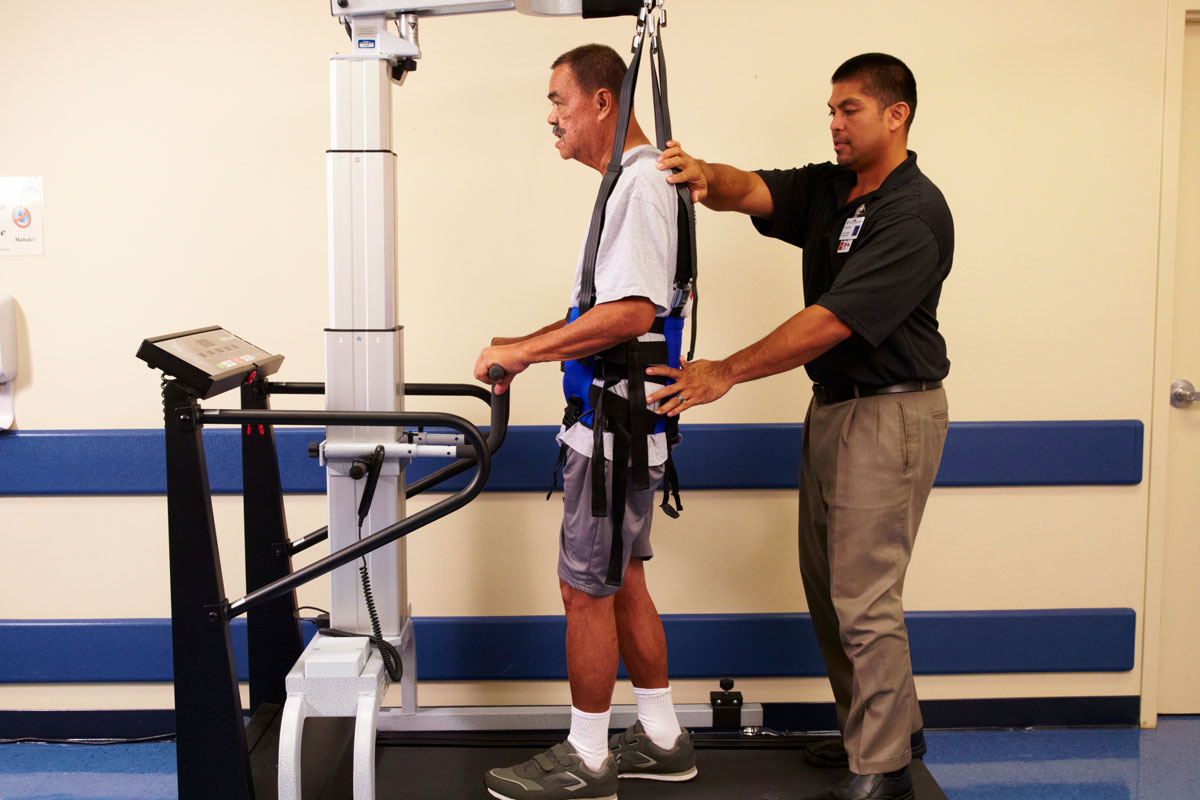
- Balance and Gait Training – Especially important for older adults and post-surgery patients, these exercises reduce the risk of falls and help restore a confident walking pattern.
- Modalities and Technology – Many Rolling Meadows clinics use tools such as electrical stimulation, ultrasound therapy, or cryotherapy to reduce inflammation and pain during recovery.
- Education and Home Exercises – Patients are taught proper posture, safe movement habits, and home exercise routines. This reinforces clinic work and helps speed up progress.
The Stages of Regaining Mobility Through Therapy
Every recovery journey is unique, but most patients go through these general stages:
Stage 1: Evaluation and Planning
The process begins with a detailed assessment of your medical history, pain points, flexibility, strength, and movement patterns. Your therapist will create a custom plan based on your goals.
Stage 2: Pain and Inflammation Management
Before mobility can improve, pain and swelling must be controlled. Techniques like gentle stretching, ice therapy, and electrical stimulation may be used here.
Stage 3: Restoring Flexibility and Movement
Once pain is reduced, the focus shifts to improving joint mobility and muscle flexibility. These early exercises lay the foundation for more advanced strengthening.
Stage 4: Building Strength and Endurance
Targeted exercises help build the support structures around the injured or weakened area. This stage improves overall stability and prepares patients to return to daily activities.
Stage 5: Functional and Lifestyle Integration
Finally, therapy shifts to functional movement, walking, bending, climbing stairs, lifting objects, or returning to sports and work routines.
Psychological Benefits of Physical Therapy
Mobility recovery isn’t just physical, it’s emotional too. Many patients in Rolling Meadows report significant boosts in confidence, independence, and mood as they progress through therapy. Regaining control over one’s body can:
- Reduce anxiety and frustration caused by pain.
- Improve motivation to stay active.
- Foster a greater sense of independence.
- Encourage long-term lifestyle changes that support health.
How Long Does Recovery Take?
The timeline depends on the nature and severity of the condition:
- Mild injuries: Recovery can happen within 3–6 weeks.
- Post-surgery rehabilitation: Typically takes 2–6 months.
- Chronic conditions: Ongoing maintenance therapy may be required.
Factors like age, overall health, and consistency with exercises play a major role in how fast progress is made.
Tips to Maximize Your Physical Therapy Results
- Stay Consistent – Attending all sessions and following through with home exercises is critical.
- Communicate with Your Therapist – Be open about pain levels, concerns, or setbacks.
- Maintain Proper Posture and Movement Habits – Your therapist will guide you on ergonomic habits to prevent reinjury.
- Embrace the Process – Healing takes time. Celebrate small victories along the way.
- Pair Therapy with Healthy Habits – Good nutrition, hydration, and rest all support faster recovery.
The Advantage of Local Therapy in Rolling Meadows
Choosing a local physical therapy clinic has several advantages:
- Easier scheduling and less travel time.
- More personalized care and follow-ups.
- Therapists who understand local health resources.
- Convenient access for long-term programs.
Many clinics in Rolling Meadows also offer specialized care for seniors, athletes, and post-operative patients, ensuring that everyone receives the right level of attention.
Real-World Examples of Mobility Restoration
- Post-Knee Surgery Recovery: A patient recovering from knee replacement regained the ability to walk without a cane after 12 weeks of structured therapy.
- Chronic Lower Back Pain: A long-time office worker improved posture, eliminated daily pain, and returned to regular exercise after an 8-week therapy program.
- Senior Fall Prevention: An older adult with balance issues underwent 10 weeks of balance training, significantly reducing their fall risk and regaining confidence to live independently.
These examples reflect the real impact physical therapy can have on everyday lives.
Why Mobility Restoration Matters for Overall Health
Improved mobility has ripple effects on overall wellness. Better movement means:
- Improved cardiovascular health from increased physical activity.
- Better weight management through regular exercise.
- Enhanced mental well-being due to reduced pain and increased confidence.
- Lower healthcare costs by avoiding chronic pain treatments or repeat injuries.
Physical therapy doesn’t just treat the problem; it helps patients build a healthier future.
Final Thoughts: Take the First Step Toward Better Movement
Living with pain or restricted mobility doesn’t have to be your new normal. With professional guidance from a skilled physical therapist in Rolling Meadows, you can regain strength, flexibility, and independence.
Call to Action
Whether you’re recovering from surgery, managing pain, or trying to stay active as you age, physical therapy offers real, lasting solutions. The earlier you begin treatment, the faster you can return to the life you love. Contact us today!